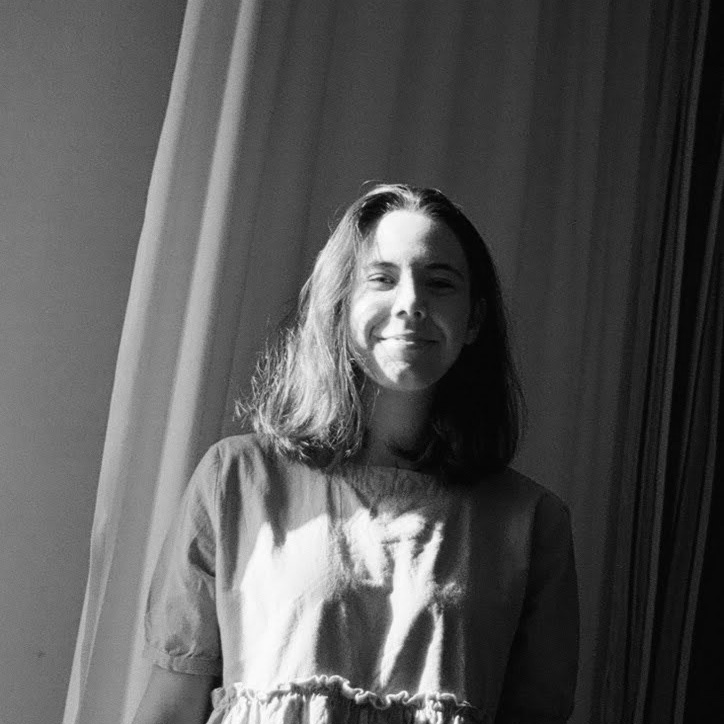
Šárka Leinweberová is an alumni of the Documentary Department at the Film and TV School of the Academy of Performing Arts in Prague. She completed internships at INSAS in Belgium and Aalto University in Finland. Her work focuses on documentary and experimental films. She sees film as a tool for exploring and connecting with her surroundings, as well as testing the boundaries of herself and the outside world. It is also a tool for expressing things that we cannot think of in our daily lives. The combination of sound and visuals is unstable and offers endless scope for imagination. Her latest films are about an air traffic controller in middle age who is trying to push her limits by losing control of her life. She is currently in the post-production stage of a short experimental documentary about women imprisoned in Finnish prisons in the 19th and early 20th centuries. The film is a journey to give them a voice, to make them understood and to set them free. Her shorts about objectification, scoliosis and carousel operators were screened at the Ji.hlava IDFF. As well as making her own films, she is a photographer and tries to introduce children to the world of cinema through film education.
Il progetto
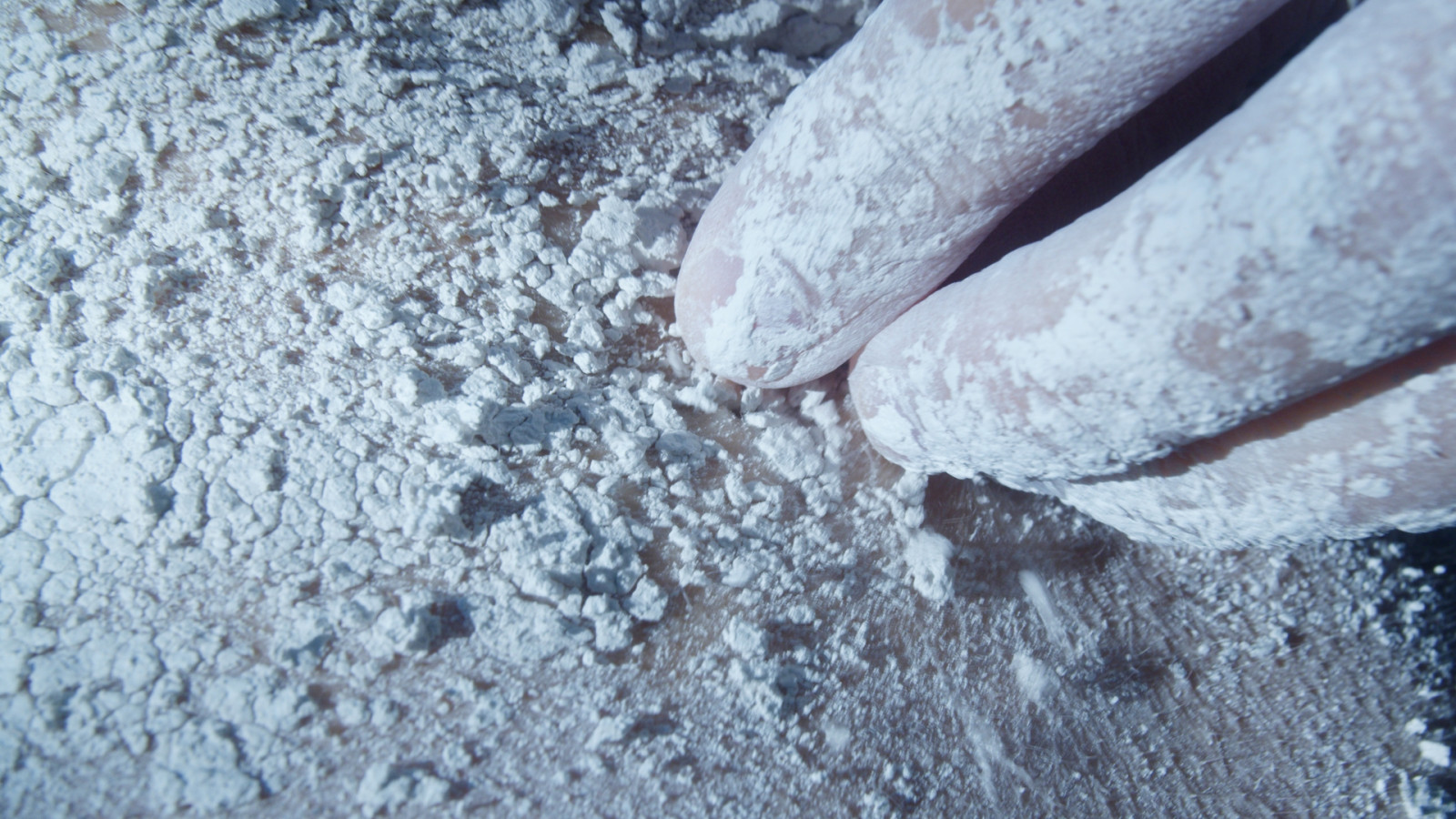
‘Formentera doesn’t feel like Formentera anymore,’ wrote a local on a travel forum, mourning the loss of the island’s culture of freedom and nudism due to pressure from new visitors. The text felt misplaced, like a private diary entry that had been accidentally exposed to strangers. It was a cry for a lost world. This raw, honest emotion from a local resident became the catalyst for my project. It represents the collective grief of those who witness their home being transformed into a ‘product’. This observation forms the basis of my documentary essay on the disappearing identity of the island. Formentera was once a sanctuary where nudity was not an aesthetic choice, but a way of life. Today, however, this essence is fading under the weight of mass tourism and a new ‘textile’ conformity. Through the honest voices of the locals, I explore the ‘gentrification of freedom’. I contrast the weathered skin of those who still embrace the elements with the polished, covered-up appearance of modern visitors. Outside of the summer peak season, the island’s ‘true skin’ is exposed. Without the summer crowds, the silence of the empty beaches highlights the tension between the island’s bohemian soul and the skeletal remains of luxury infrastructure. My aim is to capture the tactile essence of this struggle: the sensation of salt drying on skin; the sound of the wind; and the vulnerability of being naked in a judgemental world. If we remove paradise’s soul and freedom, leaving only the scenery, what will remain?